
The fascinating history of gambling From ancient rituals to modern casinos
Origins of Gambling in Ancient Cultures
The history of gambling can be traced back to ancient civilizations, where it often took the form of rituals and games of chance. In Mesopotamia, around 3000 BC, people used dice made from bones and stones to engage in games of chance. This early form of gambling was not merely a pastime but served as a means of decision-making, divination, and entertainment, illustrating the deep-rooted human fascination with luck and chance. Today, you can explore all new online casinos that reflect this enduring heritage.

Similarly, ancient Chinese cultures practiced gambling as early as 2000 BC, with evidence of games that involved betting on outcomes of various activities. These games were often linked to social gatherings and were integral to celebrations and festivals, showcasing how gambling became woven into the fabric of societal life.
The Evolution of Gambling Through the Ages
As time progressed, gambling began to evolve, reflecting changes in societal norms and values. In Ancient Rome, the popularity of betting on gladiatorial contests and chariot races showcased a more organized approach to gambling. Romans used a system of betting with fixed odds, indicating a significant evolution from mere chance to strategy and skill.
The Middle Ages saw the rise of card games in Europe, with gambling becoming popular among nobles and commoners alike. The invention of playing cards in the 14th century marked a pivotal moment, as these games allowed for new variations of gambling that combined skill with luck, setting the stage for modern casino games.
The Birth of Modern Casinos
The concept of the casino as we know it today began to emerge in the 17th century. The first official casino, known as the Ridotto, was established in Venice, Italy, in 1638. This venue provided a controlled environment for gambling, offering a variety of games under a regulated system. It was here that the social aspects of gambling flourished, as it became a place for people to gather, socialize, and enjoy the thrill of chance.
The popularity of casinos spread throughout Europe, leading to the establishment of iconic gaming houses in cities like Monte Carlo and Baden-Baden. These locations became synonymous with luxury and entertainment, attracting patrons from all walks of life, thereby solidifying the casino’s role in modern society.
The Rise of Online Gambling
The late 20th century witnessed a significant transformation in the gambling landscape with the advent of the internet. The first online casinos emerged in the mid-1990s, allowing players to engage in their favorite games from the comfort of their homes. This innovation opened up a global market, making gambling more accessible than ever before.
Online gambling platforms have since evolved, offering a diverse range of games, interactive features, and live dealer experiences. Players can now enjoy the thrill of traditional games as well as innovative options, reshaping the way individuals perceive and engage with gambling.
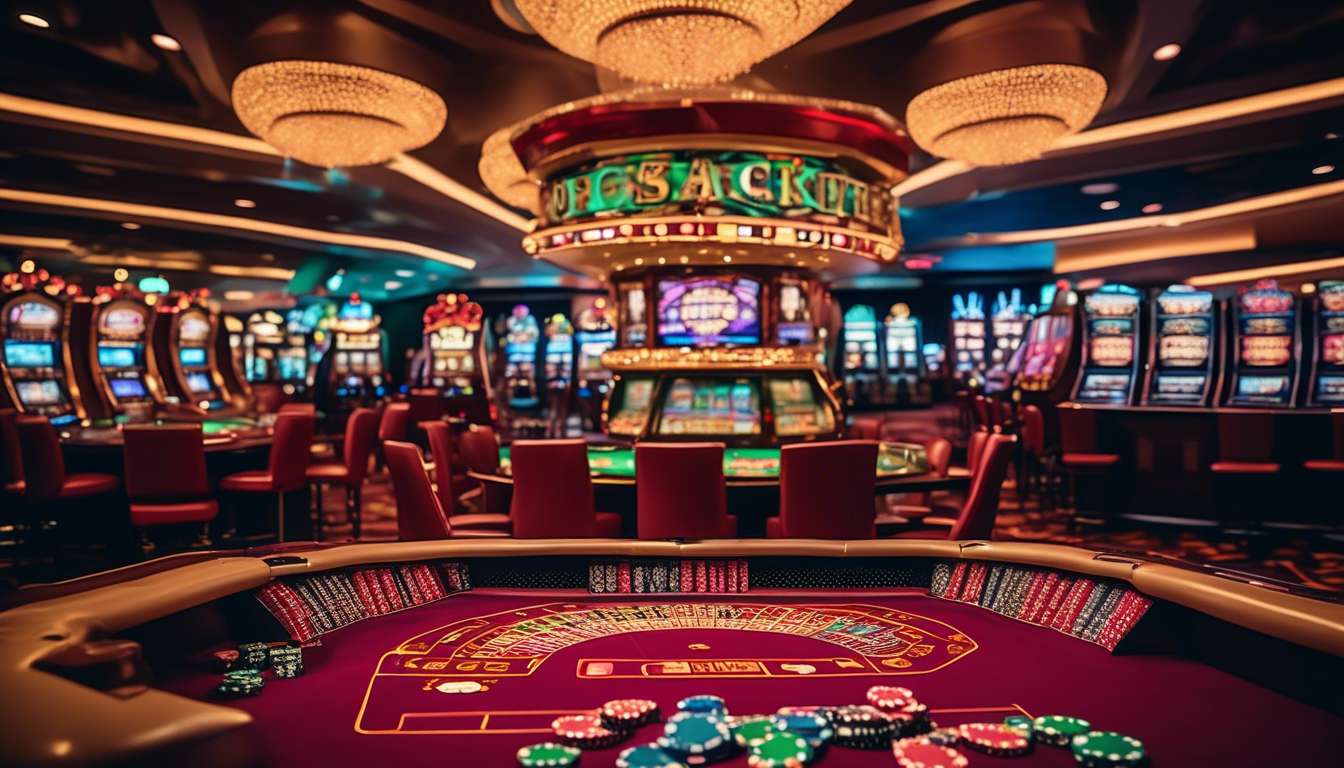
Exploring Contemporary Gambling Platforms
Today, the gambling industry has diversified into various platforms, including online casinos and mobile applications, catering to a wide audience. With enhanced security measures and user support, players can enjoy a safe and immersive gambling experience. As the industry continues to grow, it adapts to technological advancements and changing consumer preferences. These developments have also made budget-friendly casino trips possible for those looking to enjoy gaming without overspending.
This evolution emphasizes the importance of responsible gambling, with many platforms providing resources and tools for players to ensure a safe gaming environment. By prioritizing player safety and satisfaction, the contemporary gambling landscape remains as dynamic and engaging as ever, inviting new generations to partake in its rich history.
